
Opening a Pet Treat Bakery: What It Really Takes (and How to Launch Without Guesswork)
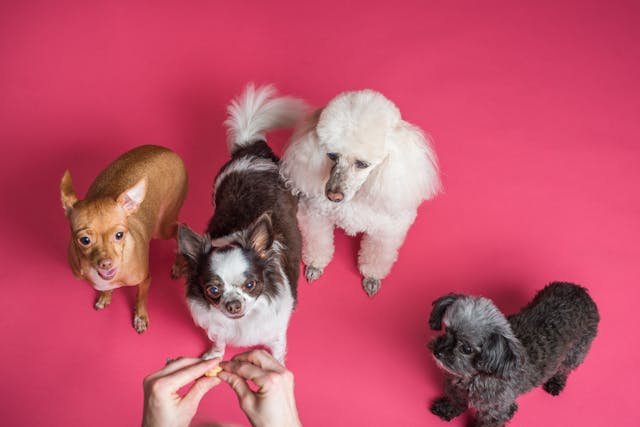
If you're a skilled baker who also happens to love animals, opening a pet treat bakery might be just the career move you've been looking for. Basically, a pet treat bakery is a small business that makes and sells baked (or dehydrated) snacks for dogs and sometimes cats, usually with a “fresh, local, handmade” angle. It sounds cozy—and it can be—but the winners treat it like a food business and a brand from day one.
A quick read you can use
- Start small: one or two hero products, one channel, one clear customer.
- Make safety boring: clean process, consistent ingredients, simple labeling.
- Price for reality: cost per treat + labor + waste + packaging + fees.
- Prove demand before you scale: pre-orders, pop-ups, farmers markets, small wholesale tests.
The startup pieces you'll pay for first
| Startup item | What it's for | How to keep it affordable |
|---|---|---|
| Recipe development ingredients | Testing, consistency, shelf life checks | Limit SKUs early; buy staples in bulk once recipes are final |
| Packaging + labels | Trust, compliance basics, retail readiness | Start with simple bags + clear labels; upgrade after traction |
| Kitchen access | Food-safe production space | Consider shared kitchens or small-batch days before leasing |
| Permits/licenses | Operating legally where you live | Ask local agencies what applies to pet treats (rules vary by location) |
| Basic marketing assets | Photos, signage, simple website page | Use a one-page site + strong product photos at first |
Sharpening your business skills while you build
A pet treat bakery is part recipe, part operations, part financial discipline. If you want to strengthen the business side, going back to school for a business degree can help you get better at planning, pricing, and managing growth. A master's in business administration equips you with skills in leadership, strategic planning, financial management, and data-driven decision-making to excel in diverse business environments. And if you're balancing production, selling, and life, online degree options can make it more realistic to keep the business moving while you learn—one reason some founders look into exploring online MBA programs.
A practical launch sequence (you can actually follow)
Goal: first sales with minimal risk, then tighten operations.
- Define your first two products. One everyday treat + one “fun” treat.
- Standardize recipes. Same weight measures, same bake time, same cooling method—every batch.
- Calculate cost per unit. Include ingredients, packaging, fees, and a cushion for waste.
- Choose a sales channel. Farmers market, local pet shops (small wholesale), pop-ups, or online orders. Start with one.
- Build a tiny brand kit.Name, a short tagline, 3–5 product photos, and clear pricing.
- Run a small pilot. 30–100 units, collect feedback, track what sells fastest.
- Refine and repeat. Improve packaging, tighten pricing, then add one new product only after demand is stable.
If you're tempted to scale early, do this sanity check: "Can I make this product twice a week for three months without hating my life"? If the answer is no, revise the plan.
Safety, labeling, and basic compliance
Pet treats are part of the broader world of animal food, which in the U.S. is regulated by the FDA with requirements around safety, sanitary production, and truthful labeling. On top of that, many states have their own rules and feed control programs, so the right move is to check what applies where you operate (and where you ship). Even if you're “just baking,” build habits that reduce contamination risk: clean hands, clean surfaces, safe storage, and a consistent process.
One free resource that makes planning less painful
If your ideas are scattered across notes and screenshots, use a real structure to pull them together. The U.S. Small Business Administration has a plain-English guide to writing a business plan, plus templates and examples that can help you translate “I bake great treats” into a workable launch plan. It's especially useful for thinking through startup costs, your target customer, and how you'll sell (retail, wholesale, online, or a mix). Even if you don't want a formal plan, their "lean" approach can still keep you focused.
FAQ
Do I need a commercial kitchen to start a pet treat bakery?
It depends on your location and how you sell. Some areas allow certain production methods; others require specific facilities. Check your local rules before investing.
How many products should I launch with?
Usually 1–3. Fewer products make it easier to stay consistent, control costs, and learn what customers actually want.
What's the fastest way to validate demand?
Pre-orders, pop-ups, and farmers markets. You'll get real feedback, real objections, and real purchasing behavior.
Can I sell online right away?
Yes, but shipping and compliance can add complexity. Many founders start locally, refine the product and packaging, then expand.
Conclusion
Opening a pet treat bakery is absolutely doable—but it's easiest when you start narrow and build repeatable habits. Choose a clear product identity, validate demand with small batches, and price like a business owner, not a hobbyist. Keep safety and labeling simple, consistent, and honest. Once you've got steady sales, scaling becomes a decision—not a gamble.